
Most homeowners use water every day without giving much thought to what is actually coming out of the tap. Water is used for drinking, cooking, bathing, cleaning, washing clothes, and running appliances. While municipal water systems and private wells often provide safe water, contaminants, hard minerals, aging pipes, and other issues can affect water quality over time.
Ensuring your home’s water is safe is about more than just protecting your family’s health. Water quality can also impact plumbing systems, water heaters, dishwashers, washing machines, faucets, and other household fixtures. Taking a proactive approach can help prevent costly repairs while improving the quality of the water you use every day.
Here are some important steps homeowners can take to make sure their water remains safe and beneficial for their home.
Know Where Your Water Comes From
The first step in understanding your water quality is knowing its source. Most homes receive water from either a municipal water system or a private well.
Municipal water is generally treated and monitored according to government regulations. However, water can still pick up contaminants as it travels through pipes and distribution systems before reaching your home.
Read More: Short-Term vs Long-Term Rentals in Canada: Which Option Is Right for You?
Private well owners have even greater responsibility because the safety and quality of well water must be monitored directly by the homeowner.
Understanding your water source provides a starting point for evaluating potential risks and treatment needs.
Pay Attention to Warning Signs
Changes in your water can often indicate underlying issues. While not every change signals a serious problem, unusual characteristics should never be ignored.
Common warning signs include:
- Strange tastes or odors
- Cloudy or discolored water
- Visible sediment
- Rust stains on fixtures
- Soap that does not lather properly
- Scale buildup on faucets and appliances
- Dry skin or hair after bathing
These symptoms may indicate mineral issues, contamination, aging plumbing, or other water quality concerns that deserve further investigation.
Get Your Water Tested Regularly
One of the most important things homeowners can do is have their water tested. Water testing provides a clear picture of what is actually present in your water supply.
Testing can identify issues such as:
- Bacteria
- Lead
- Iron
- Manganese
- Nitrates
- Hardness minerals
- Chlorine levels
- Volatile organic compounds (VOCs)
- Other contaminants
Without testing, many water quality problems can go undetected because contaminants are often invisible and odorless. Regular testing helps homeowners make informed decisions about treatment options and ensures that any potential issues are identified early.
Experts generally recommend testing well water annually and periodically evaluating municipal water quality if concerns arise.
Protect Your Plumbing System
Water quality affects more than drinking water. Poor water quality can cause significant wear and tear on your home’s plumbing system.
These minerals can create scale buildup inside pipes, water heaters, faucets, and appliances. Over time, this buildup can reduce efficiency, increase energy consumption, and shorten equipment lifespan.
Maintaining good water quality can help protect your plumbing investment and reduce long-term maintenance costs.
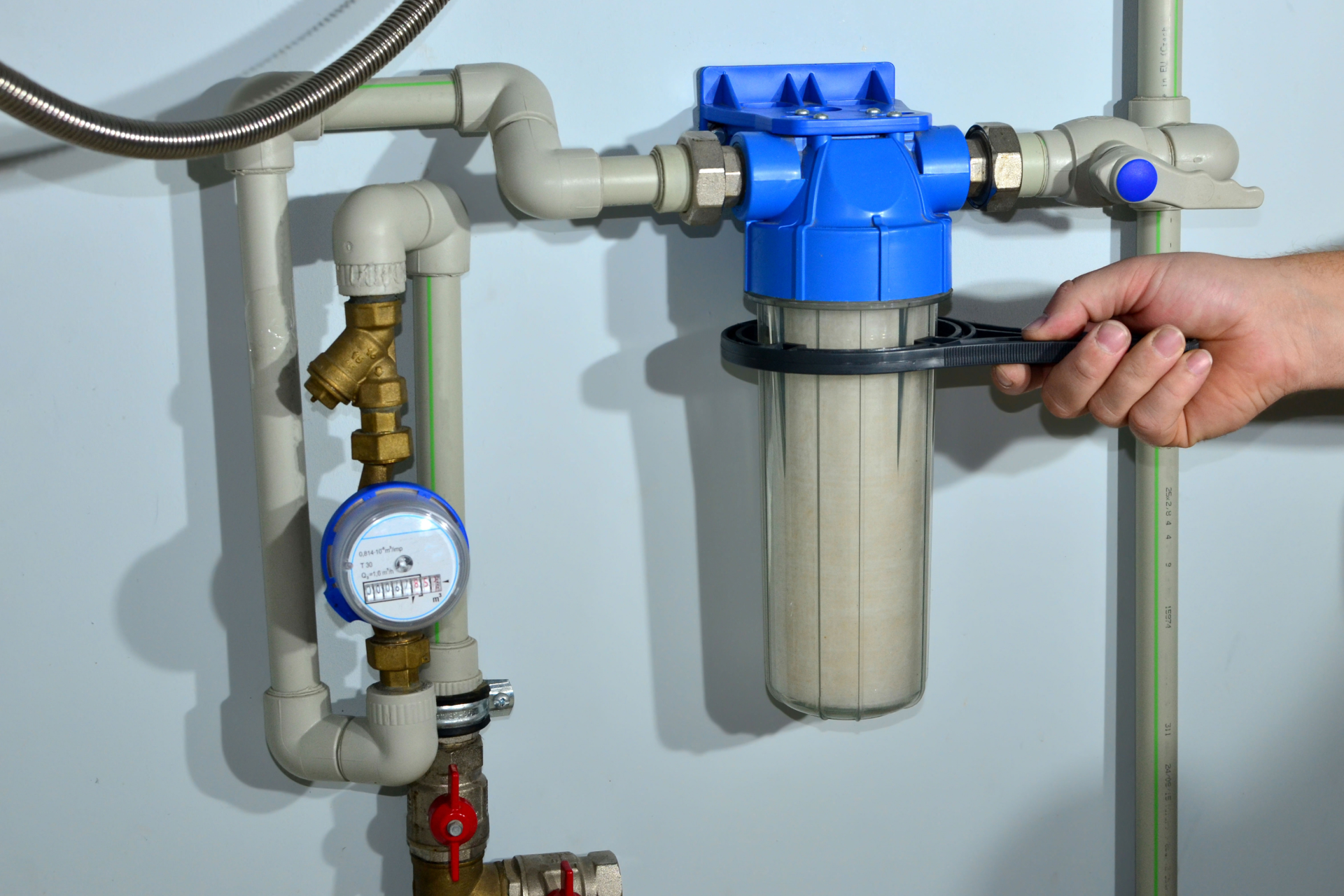
Consider a Whole Home Water Filtration System
If testing reveals water quality concerns or if you simply want greater peace of mind, installing a whole home water filtration system may be worth considering.
This means filtered water is available throughout the entire home for drinking, cooking, bathing, laundry, and appliance use.
Depending on the specific system selected, whole home filtration can help reduce sediment, chlorine, contaminants, unpleasant odors, and other water quality issues. Many homeowners also notice improvements in taste, cleaner dishes, softer laundry, and reduced buildup on fixtures.
Because every home’s water is different, selecting the right filtration solution should be based on the results of a professional water test.
Maintain Water Treatment Equipment
Installing a filtration system is only part of the process. Regular maintenance is necessary to ensure continued performance.
Filters, cartridges, membranes, and other components have recommended replacement schedules. Neglecting maintenance can reduce effectiveness and allow contaminants to pass through untreated.
Following manufacturer recommendations and scheduling routine inspections can help ensure your system continues operating properly.
Be Mindful of Household Contaminants
Water quality can sometimes be affected by activities around the home. Lawn chemicals, pesticides, fertilizers, automotive fluids, and improperly stored household chemicals can potentially contaminate groundwater supplies.
Using chemicals responsibly and disposing of hazardous materials properly can help protect both your water supply and the surrounding environment.
This is especially important for homeowners who rely on private wells.
Replace Aging Plumbing Components
Older homes may contain pipes, fixtures, or plumbing materials that can affect water quality.
If your home has older plumbing, consider having it inspected by a qualified professional. Replacing outdated components can improve water quality while reducing the risk of leaks and plumbing failures.
Monitor Appliance Performance
Your water heater, dishwasher, washing machine, refrigerator, and other appliances can often provide clues about water quality issues.
Frequent repairs, reduced efficiency, excessive scale buildup, or shortened equipment life may indicate that your water is causing unnecessary wear.
Addressing water quality concerns can help appliances operate more efficiently and last longer.
Final Thoughts
Safe water is one of the most important resources in any home. While many homeowners assume their water is fine, regular testing and proactive maintenance can help identify issues before they become serious problems.
Read More: Why Your Air Conditioner Is Not Cooling Properly
By understanding your water source, monitoring warning signs, testing regularly, maintaining plumbing systems, and considering appropriate filtration solutions, you can help ensure your water remains safe for drinking while protecting your home’s valuable appliances and fixtures.
Taking a few preventative steps today can provide cleaner water, improved household efficiency, and greater peace of mind for years to come.